“What can I contribute,” not “What’s in it for me”
After living for more than 60 years, I’m finally beginning to prefer asking myself “what can I do to contribute?” rather than “what’s in it for me?”
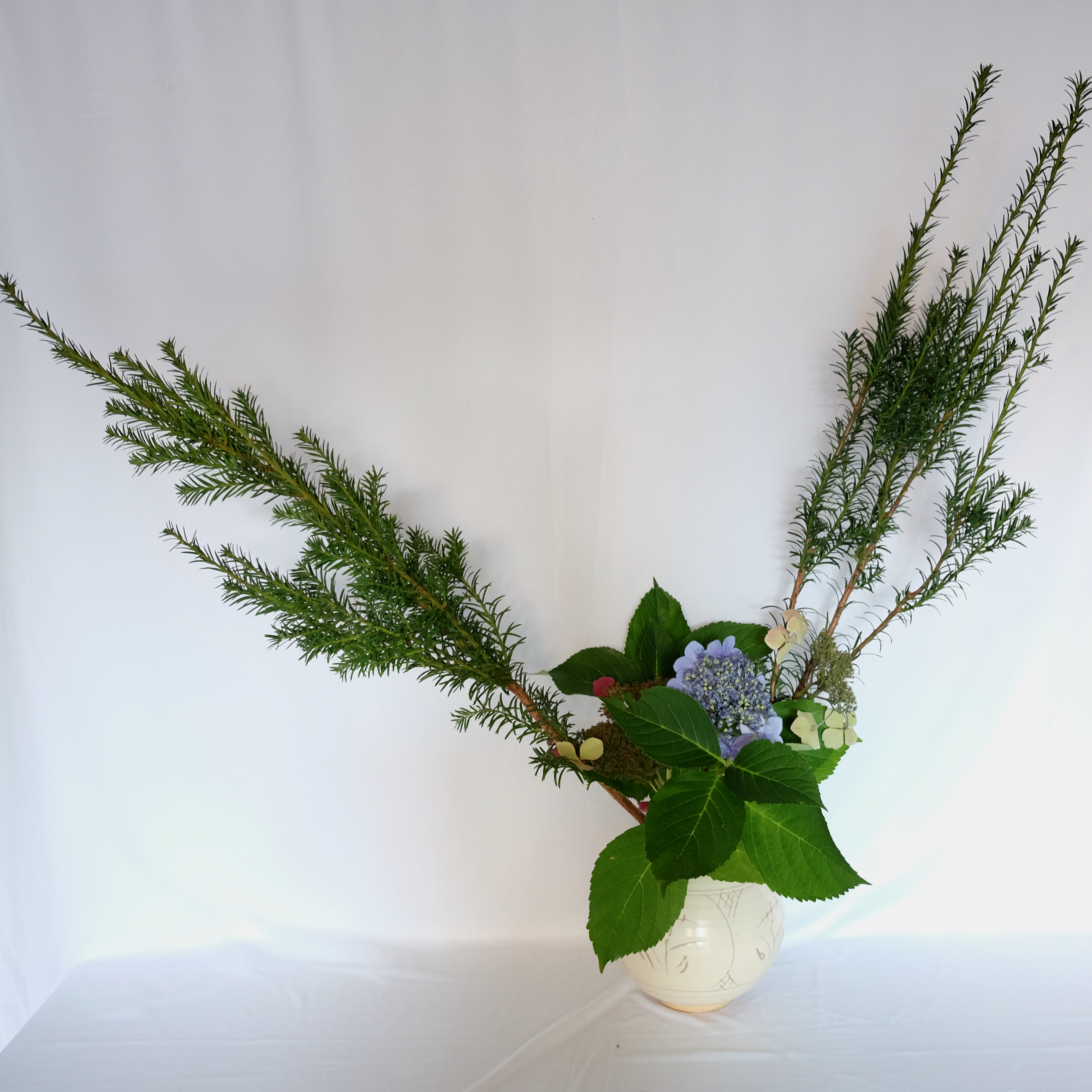
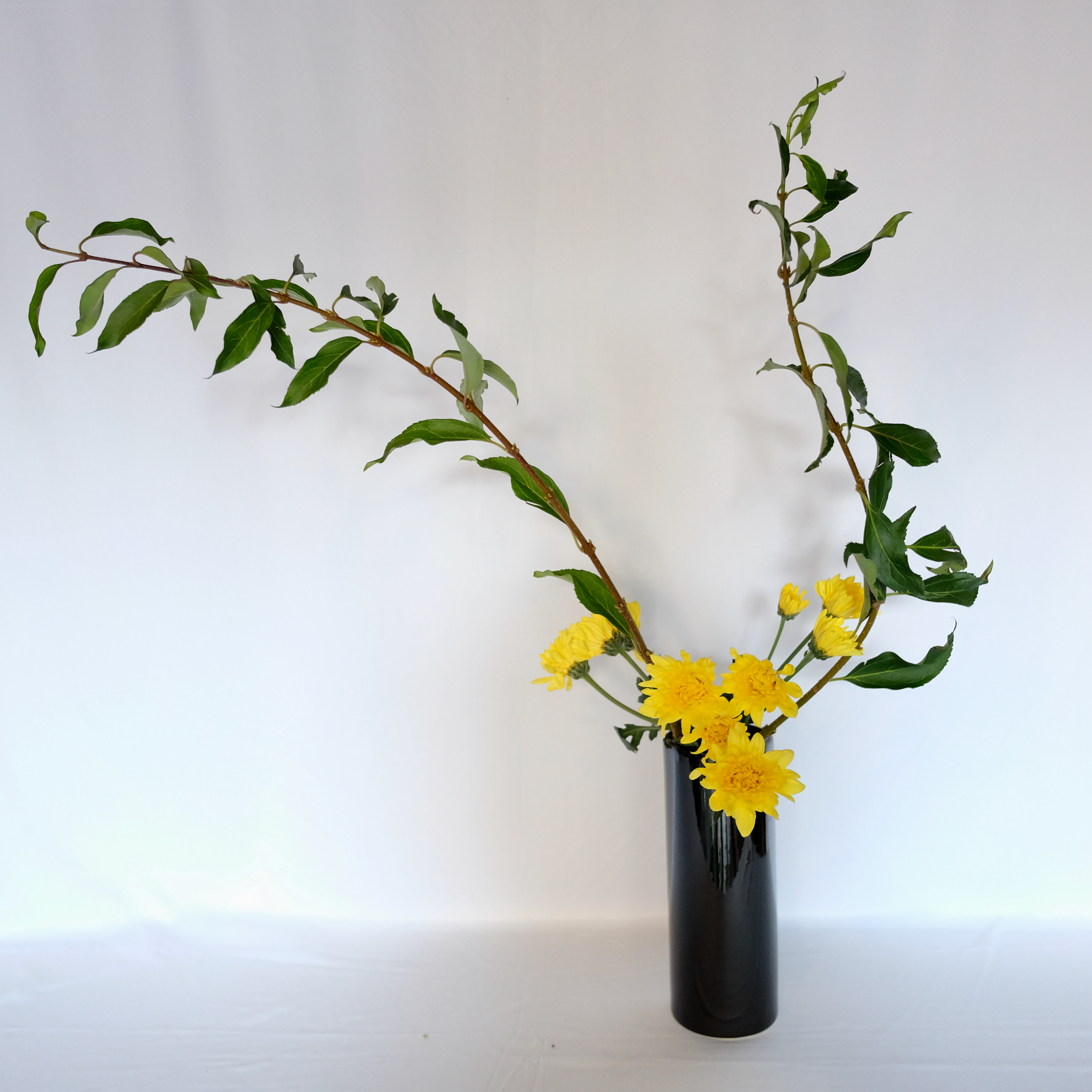
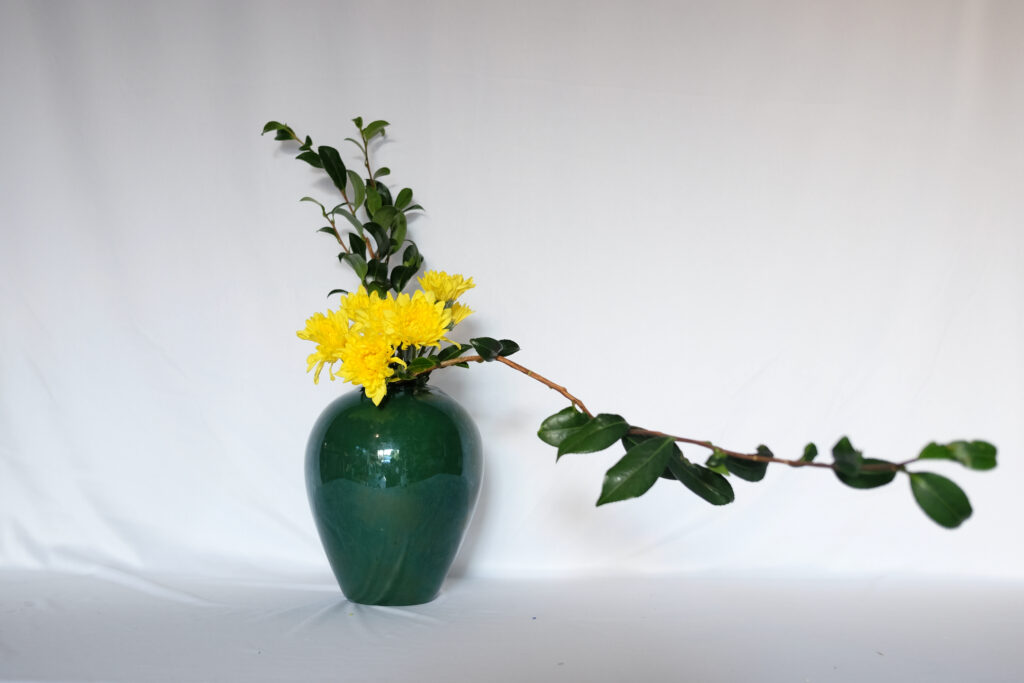
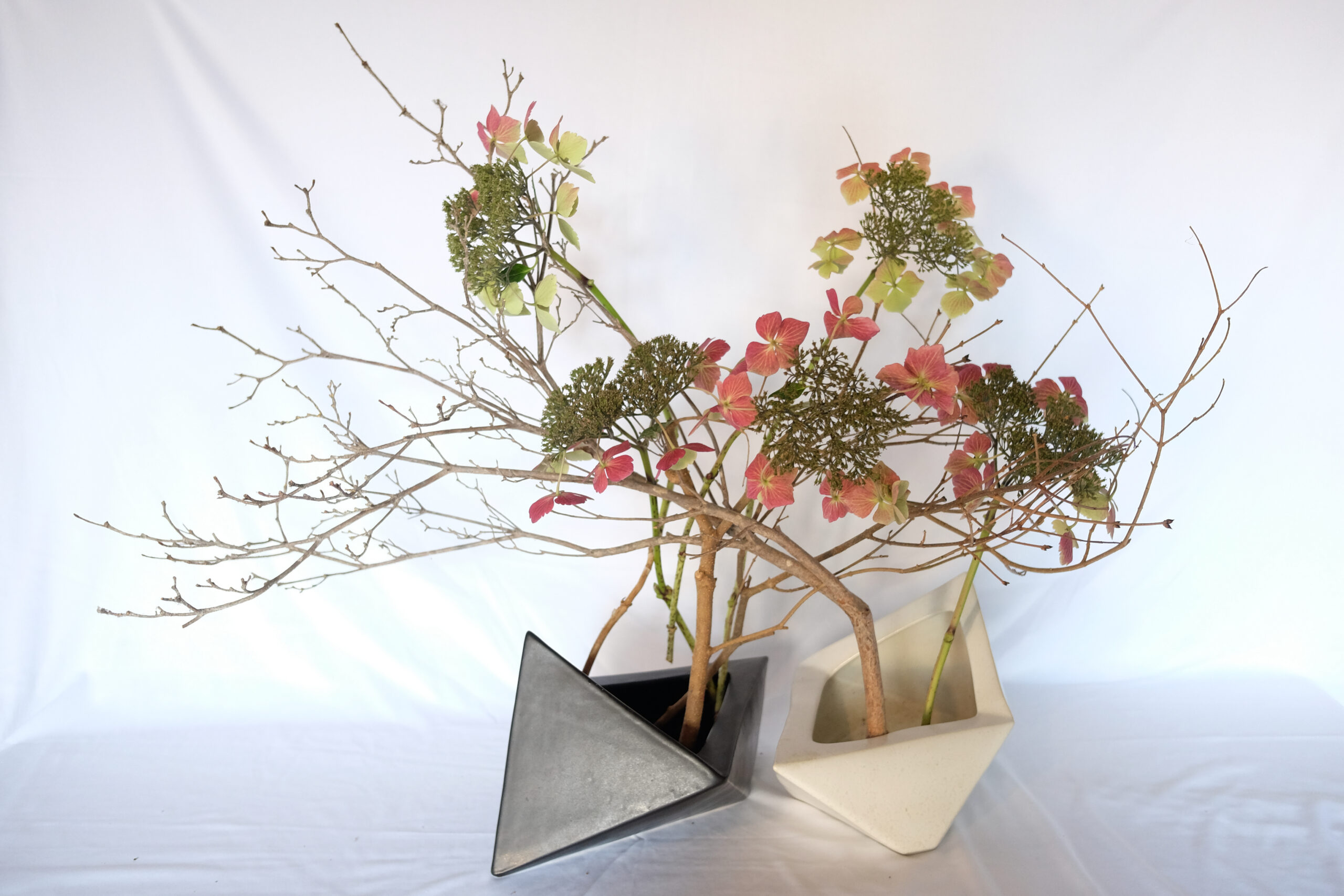
I was requested to conduct an ikebana demonstration for a group of 25 or so people.
The duration of the demonstration is an hour. It takes at least an hour and a half each way to drive. In order to make 3-4 ikebana arrangements for the demonstration, I need at least several hours of preparation a day before. I need to go get some materials also.
What I get in return is an honorarium that may or may not cover the gas and the material cost, and the words of gratitude from the audience.
If I seek an answer to the question “what’s in it for me?” or “what would I get?”, it’s hard to convince myself to say yes to this request.
But if I ask instead, “What can I contribute?”, the answer is quite different.
People who gathered are all interested in learning ikebana. Some are total beginners. By seeing my demonstration, such beginners might be inspired and decide to learn ikebana regularly. Some practice different schools of Ikebana. Such people might find it eye-opening to learn different techniques. Those who have been studying Sogetsu ikebana, the same school as me, might refresh their memory by watching basic techniques taught by a different person.
Even in a minute way, I may contribute to making a change in the lives of someone out of those who watch my demonstration.
The possibility of the answer to “what can I contribute?”, is enormous. Way more satisfactory than the answer I get by asking “what’s in it for me”.
The trick of making myself satisfied or even happy lies not in the answer, but in the question. For too long I guess I had been asking myself a wrong question. Hopefully it’s not too late. Why don’t I keep asking myself, “what can I contribute?”